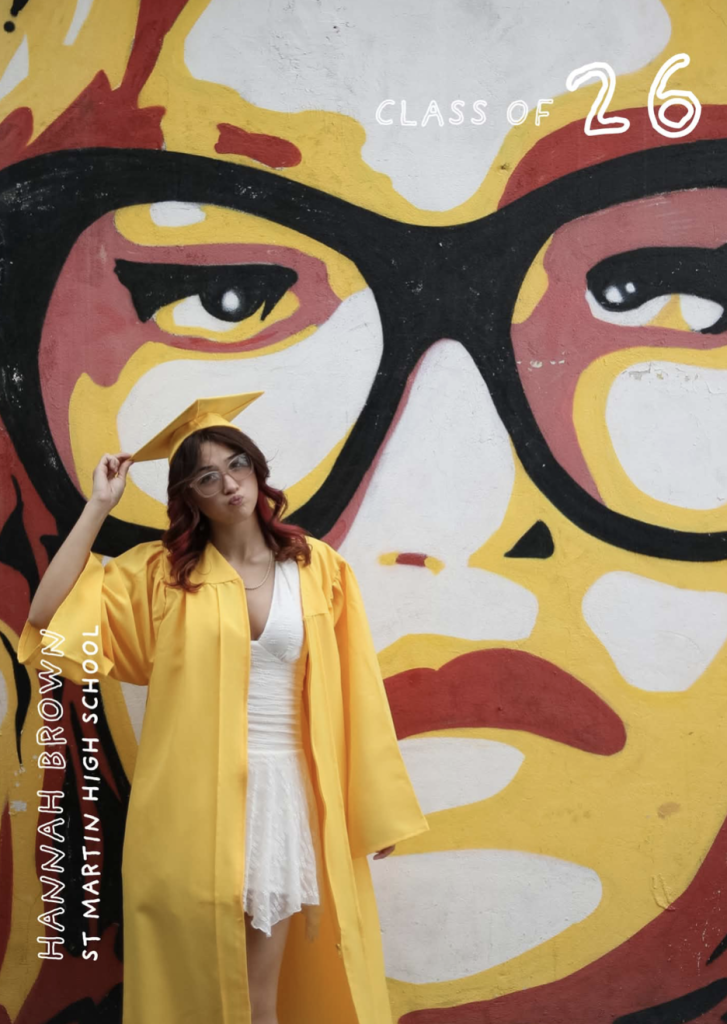
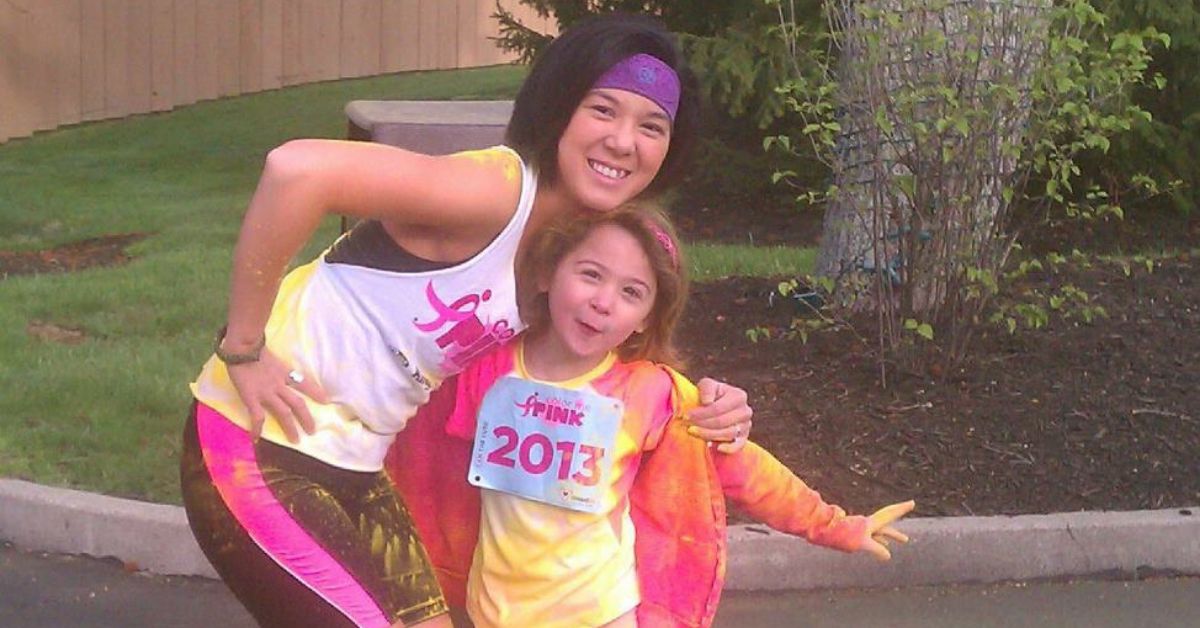
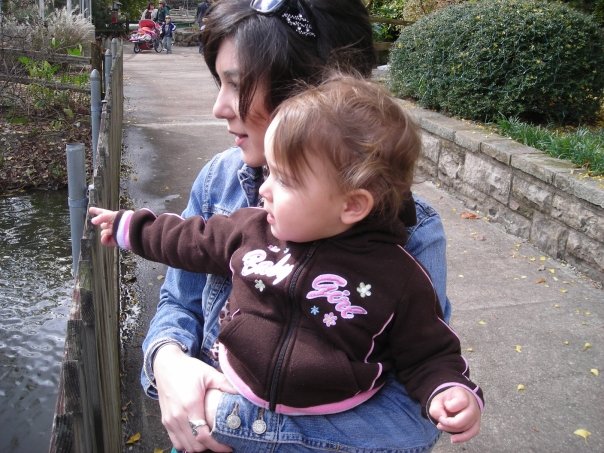
When Hannah, our oldest, was five years old, she started kindergarten without her dad.
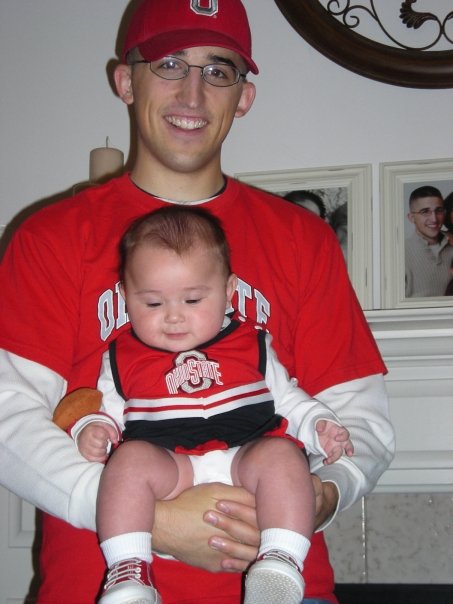
That sentence sounds small when written plainly on paper, but military families understand the emotional weight hidden inside it. While other little girls held their fathers’ hands walking into classrooms for the first time, Hannah stood smiling for pictures with a heartache she could not yet name. Her dad was deployed to the Middle East. I was suddenly carrying the emotional weight of parenting alone, trying to manage my own fear and exhaustion while pretending everything was “fine” for the sake of the children.
And my sweet girl? She powered through.
She made friends. She learned routines. She celebrated her dad’s return almost a year later with excitement and relief. But somewhere deep in the corners of her tiny heart, she remembered the hurt. Nearly eleven months of absence had already taught her one of the hardest lessons military children learn far too young: life can change overnight, and sometimes you do not get a say.
Now, twelve years later, as she prepares to graduate high school, I realize something important.
The military raised her too.
People often talk about what military life costs service members and spouses, but military children quietly carry enormous emotional burdens of their own. They learn how to say goodbye before they fully understand permanence. They learn to pack up bedrooms, leave friendships, change schools, and adapt to entirely new communities over and over again. They learn how to survive disappointment, uncertainty, and grief while still showing up for school, sports, friendships, and life.
And somehow, many of them do it with remarkable grace.
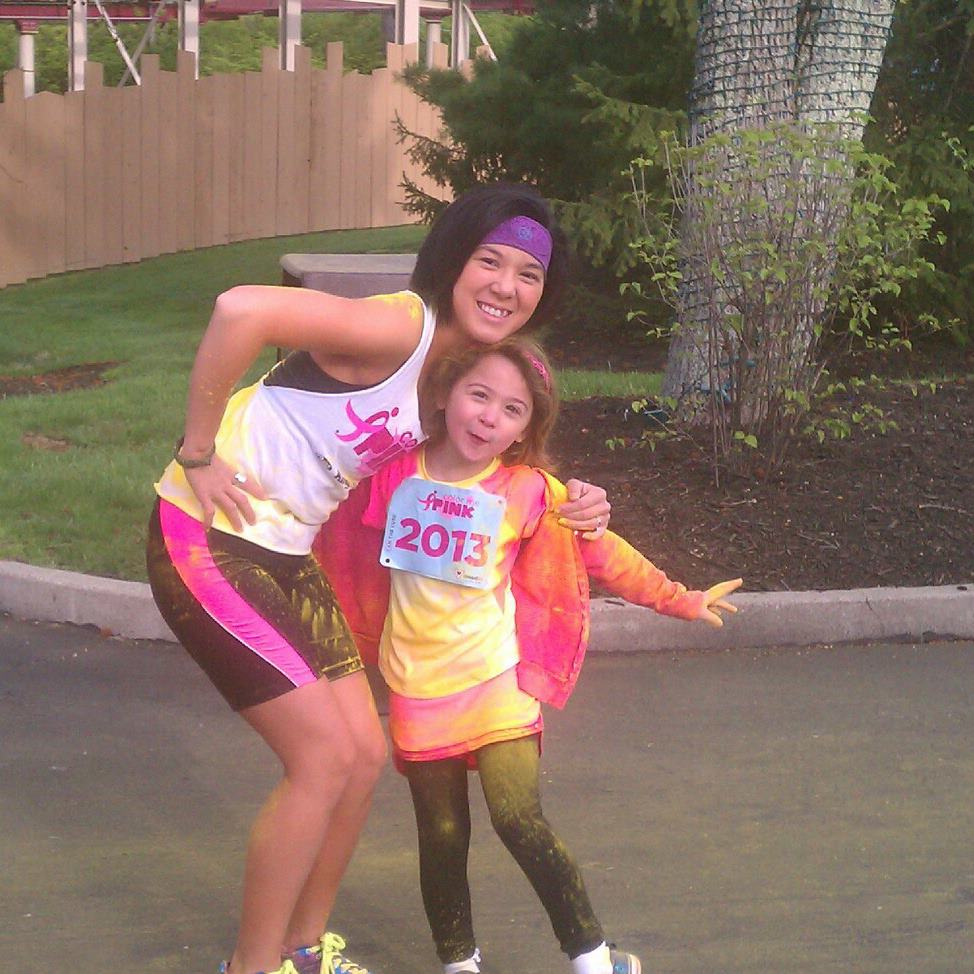
Hannah has spent most of her life starting over socially. But instead of becoming cold or disconnected, she learned how to love deeply and quickly. Military children understand something many adults never fully grasp: time is not guaranteed. Orders are always one cycle away. Friendships cannot be placed on hold until “later.” So she learned to make connections wherever she went, investing fully in the people around her because she knew community mattered.
That lesson became one of her greatest strengths.
She makes home wherever she goes.
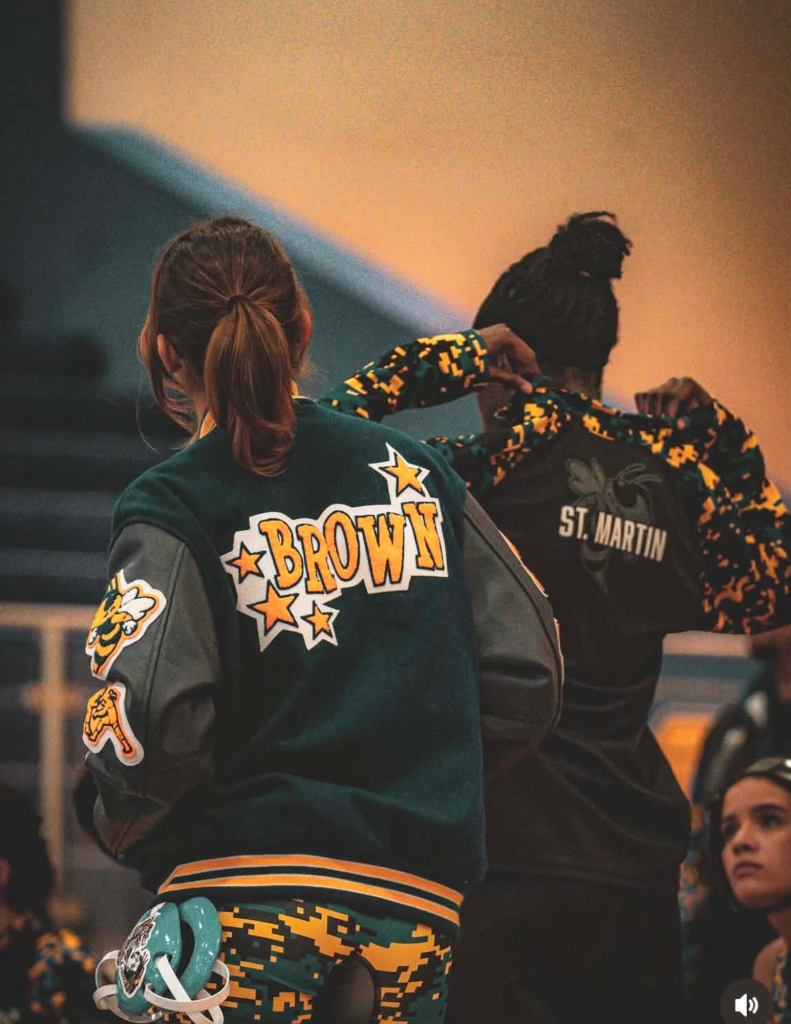
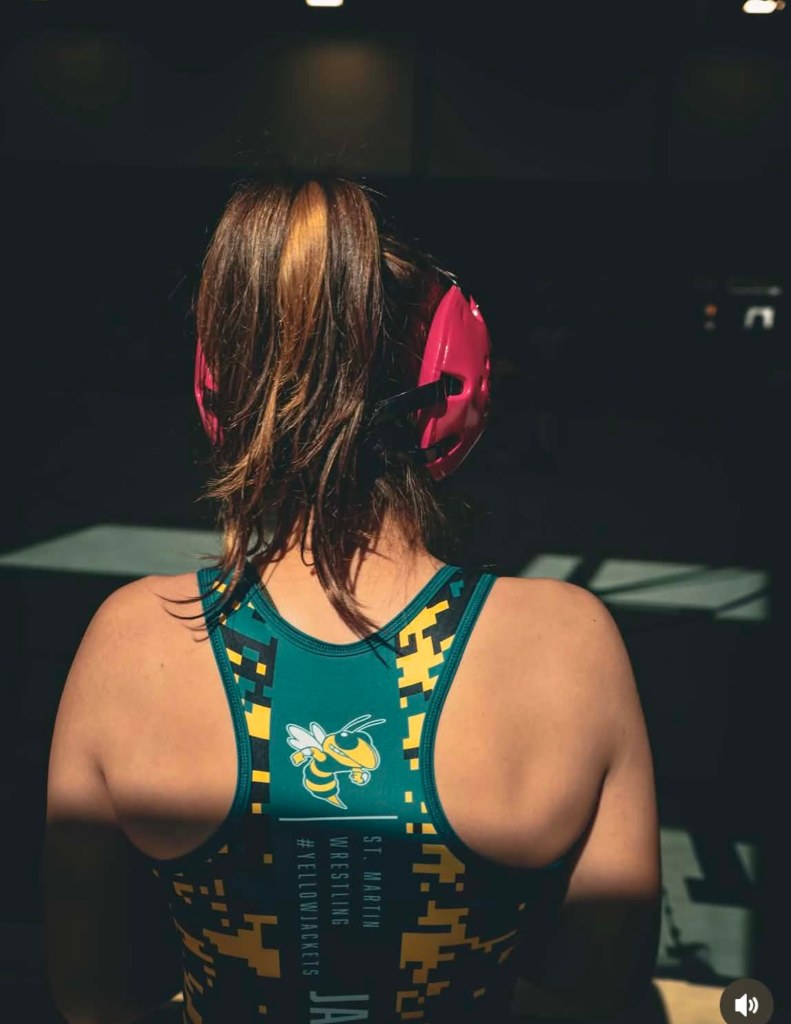
I have watched her build friendships that sustain, reciprocate loyalty fiercely, and show up consistently for the people she loves. Whether in wrestling rooms, classrooms, churches, or tiny base housing communities, she has an uncanny ability to create belonging around her. She learned young that home was never really a building. Home was people.
Unfortunately, military life also forced her to grow up too fast.
As the eldest daughter—highly intelligent, deeply mature, and naturally responsible—she learned independence and grit long before I would have preferred. She learned how to manage routines, maintain responsibilities, complete assignments, help with siblings, and keep life moving during difficult seasons. Quietly and consistently, she carried emotional weight many children should never have to carry.
She helped soothe tension, mediate conflict, support younger siblings, and absorb the emotional undercurrents of our family during some incredibly difficult years.
And while I am unbelievably proud of her capability, there is also a part of me that wishes she learned sooner that she did not have to carry everything alone.
Because military children—especially the oldest daughters—often become exceptional performers before they ever become safe feelers.
They learn how to function before they learn how to process.
They learn how to adapt before they learn how to rest.
They learn how to survive before they learn how to play.
One of the greatest lessons I hope Hannah carries into adulthood is this: it is okay to not be okay.
Grief is real. Loss hurts. Transition hurts. Loneliness hurts. Pretending you are “fine” while silently drowning only delays the inevitable emotional explosion later. Military culture often praises resilience while unintentionally rewarding emotional suppression, and I hope she understands that true strength is not found in pretending nothing hurts. True strength is found in paying attention to your own heart, loving yourself through hardship, and coping honestly and well.
This life does hurt sometimes.
And acknowledging that reality does not make you weak.
It makes you human.
This past year proved that more than ever.
When her father retired from military service, our entire household experienced catastrophic shifts. Schedules changed overnight. Financial uncertainty loomed heavily. Career plans were upended. Relationships strained under the pressure of transition. The structure we had operated within for nearly twenty years suddenly disappeared, and all of us were left trying to rediscover who we were outside of survival mode.
And right in the middle of that chaos stood Hannah.
A senior in high school.
A wrestler.
A young woman trying to prepare for her own future while the foundation beneath our family shifted dramatically.
Watching her navigate this season with grace, fortitude, and determination inspired me more than I can adequately explain. She never quit. She never retreated. She adapted, assessed, and kept moving forward. That is who she is at her core.
Not fearless.
But unwavering.
I think that is one of the greatest gifts military life gave her. She knows how to begin again.
She has already experienced enough loss, disappointment, change, and uncertainty to know she can survive hard things. She knows how to rebuild community. She knows how to navigate chaos. She knows how to discern the next right step forward.
And perhaps most importantly, she knows herself.
I am overwhelmingly proud that she values her own worth, says what she means, sets boundaries well, and pursues her goals unapologetically. She loves herself well. She believes in herself. She remains true to herself even when life around her feels unstable.
That kind of self-awareness is powerful.
So, to my graduating senior, here is what I hope you know:
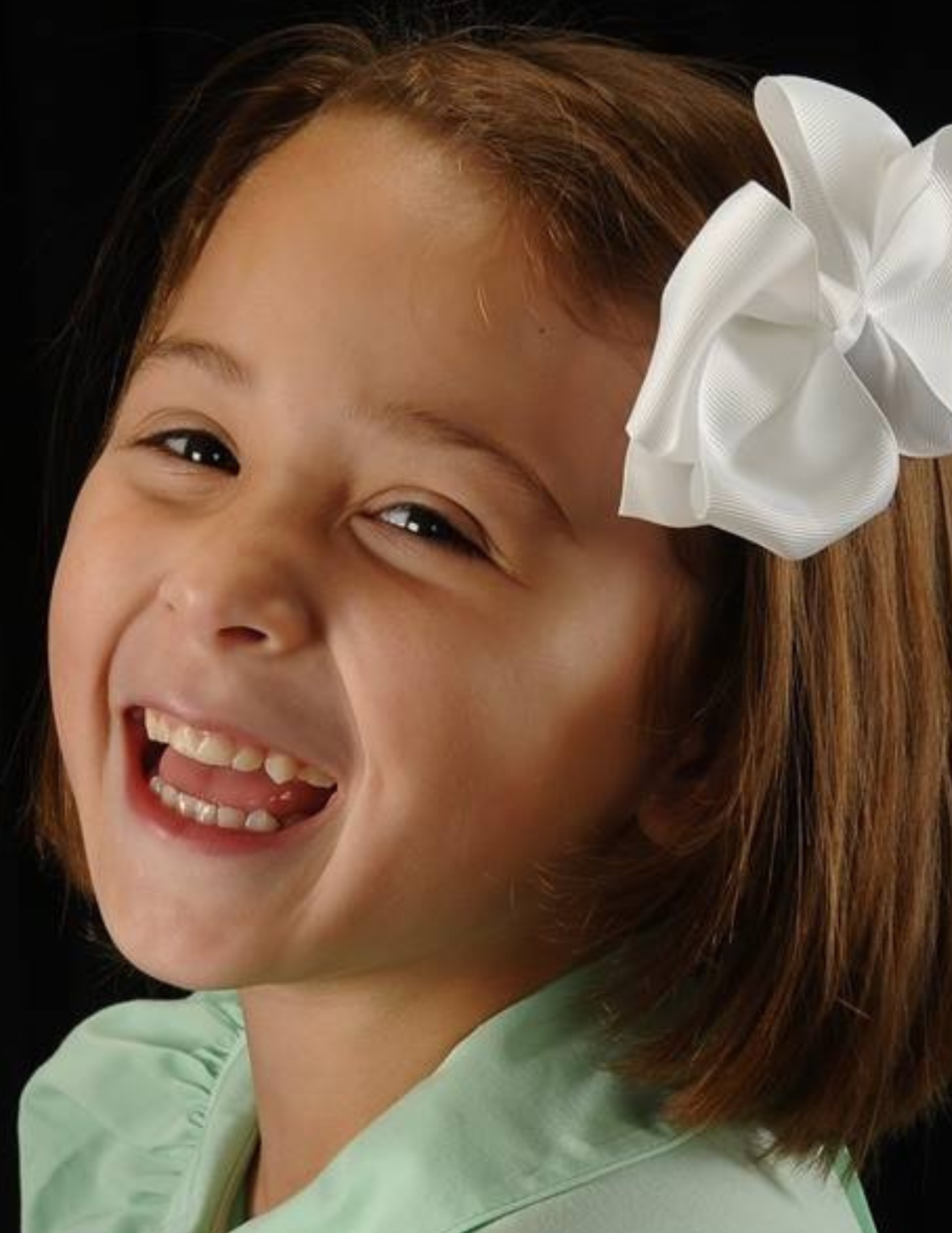
You are the strongest, most fiercely loving young woman I know.
You have already survived things many people never fully understand. You have learned how to rebuild, reconnect, adapt, and persevere. You have experienced a lifetime of change, and somehow you still carry joy, ambition, tenderness, humor, and faith.
The military did not take those things from you.
And now, the world ahead of you is wide open.
I hope this next season gives you freedom. Creativity. Stability. Playfulness. Rest. I hope you discover what it feels like to pursue joy without guilt and ambition without fear. I hope you continue building the beautiful life you deserve—not from survival mode, but from confidence and peace.
You do not have to do everything all at once.
You do not have to carry the weight of the world alone.
You are allowed to breathe.
You are allowed to rest.
And you are allowed to build a life that feels beautiful to you.
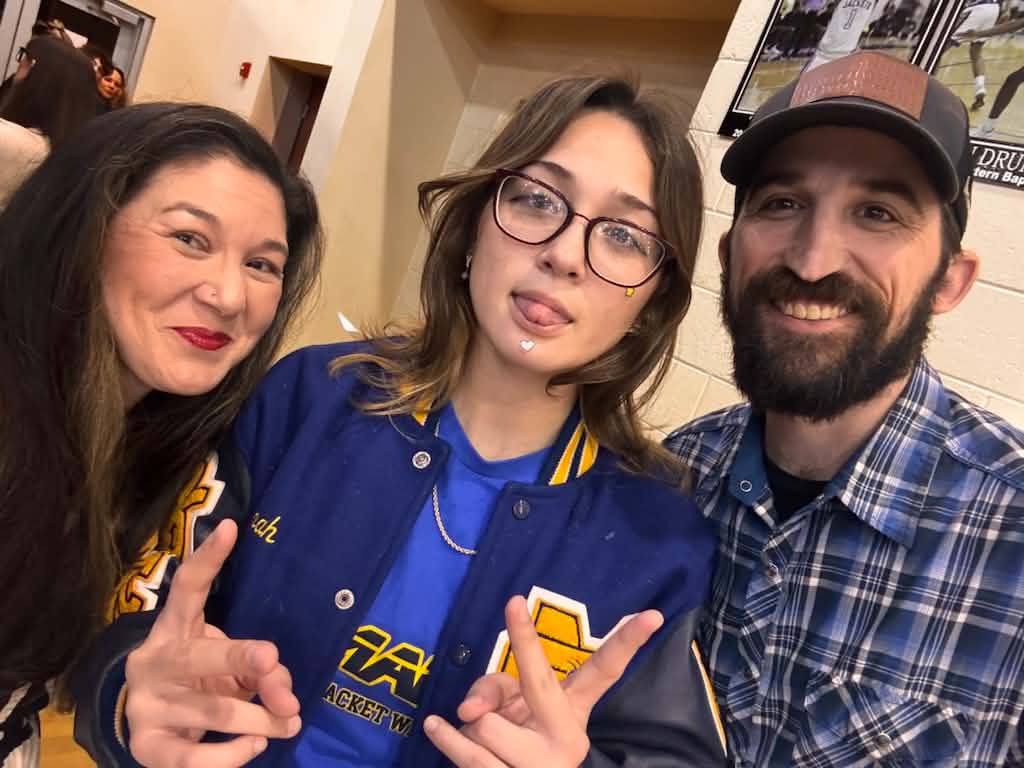
Congratulations, baby girl.
You survived the chaos. You learned how to make home wherever you went. You discovered how to love deeply and start over bravely.
Now go build the life you want.
I know you will.