

She Deserved to Rest. We Made Sure She Could.
When one of my best employees told me she was pregnant, I celebrated with her. She is sharp, dedicated, and exactly the kind of person you want on your team. The kind who makes everyone around her better. We work together in an Air Force Civil Engineering Squadron, she is a fellow military spouse, and she had earned the respect of everyone in that building.
Then came the PCS orders—and suddenly we were trying to figure out how Paid Parental Leave (PPL) worked for a federal civilian employee who had to move because of military orders.
The Office of Personnel Management’s Paid Parental Leave guidance explains the service agreement requirements, along with exceptions for circumstances beyond an employee’s control.
What surprised us most was that the exception already existed. Because the separation from her position was caused by military PCS orders—not by her choice—the follow-on service agreement could be waived. Many federal civilian employees may never realize this exception exists because it’s buried within policy guidance rather than widely discussed.
Note: While this story centers on childbirth, the same questions often arise for military families navigating adoption, foster placement, or IVF, where timing and PCS orders can collide just as unexpectedly.
In her last trimester, she and her spouse found out they were PCSing. I was genuinely happy for them; new chapter, new duty station, the Air Force doing what the Air Force does. I’d be lying if I said there wasn’t a quiet ache in losing her from our team. Also, that’s when the practical reality set in.
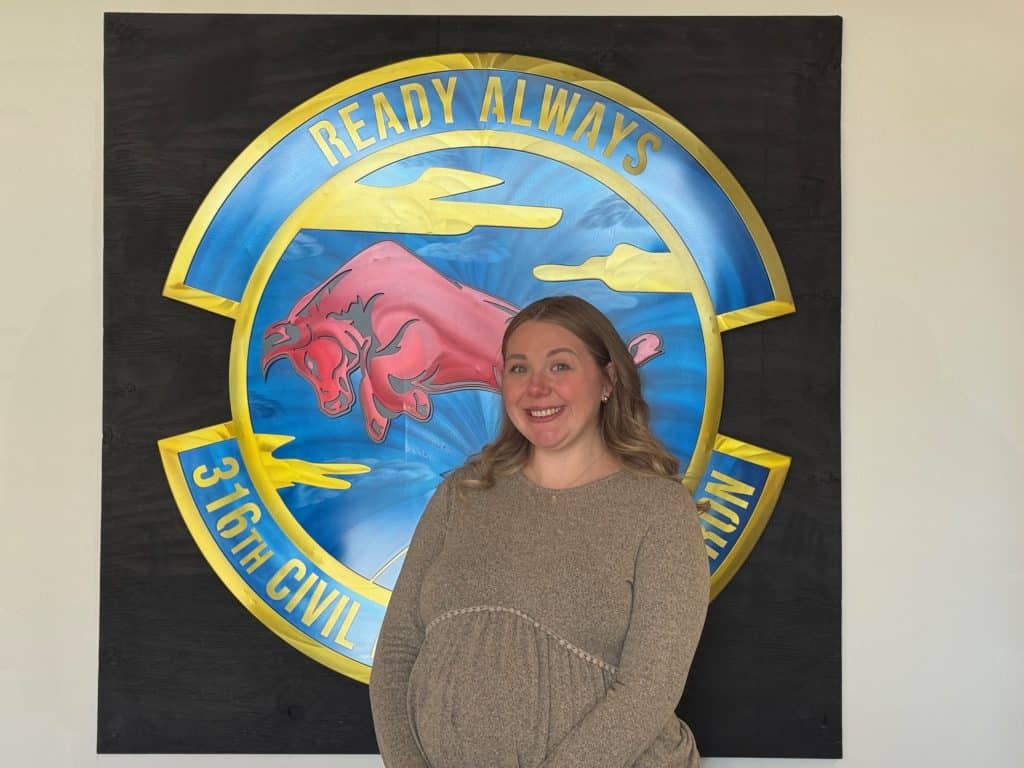
Her concern was one I hadn’t fully anticipated: she might not be able to use the Paid Parental Leave she had earned. Federal civilian employees are entitled to up to 12 weeks of PPL following the birth, adoption, or foster placement of a child, but it comes with a follow-on service commitment. You have to return to your position for at least 12 weeks after the leave concludes. For her, the math didn’t work. The PCS orders meant she couldn’t return to this position. Remote work wasn’t an authorized option. And due to an ongoing hiring freeze & position cuts, the same position didn’t exist at her gaining installation.
On paper, it looked like she would have to choose between her family’s next chapter and the leave she had earned.
We didn’t accept that.
She Deserved to Rest. We Made Sure She Could.
Our leadership team dug in. We researched, consulted, and advocated and we found a clause that changed everything. Because her separation from the position as a federal civilian employee was driven by military orders, she was relieved from the follow-on service commitment. She would get her leave. She would get to rest, recover, and be present for those first weeks with her baby without penalty and without guilt.
Win.
Later, I realized something important: our situation wasn’t unique. Every year, military spouse federal employees receive PCS orders while pregnant, adopting, fostering, or navigating fertility treatments. Many assume those orders automatically disqualify them from using Paid Parental Leave. In reality, the answer can be far more nuanced. Understanding your rights—and having leaders willing to ask the next question—can make all the difference.
In my book All Things EPIC, I share my own story. When I delivered my child, Paid Parental Leave didn’t exist for federal employees. I went back to work three weeks postpartum; not because I was ready, but because I had no real choice. I used sick leave. I stretched what I had. And I showed up, because that’s what you do when the system doesn’t give you a better option.
My employee’s situation brought all of that back. The difference between her experience and mine is policy…and policy can change. Unfortunately policy doesn’t always translate to people knowing their rights, advocating for themselves, or having a leader in their corner willing to dig for the answer.
That is the gap we have to close. Military families who are growing through birth, adoption, IVF, or foster placement deserve support systems that move as fast as their lives do. PPL is a step in the right direction. But awareness, access, and advocacy have to come with it.
Three Tips for Navigating Family Planning and Leave as a Military-Connected Civilian:
1. Understand Your Federal Paid Parental Leave Benefits
Federal civilian employees are entitled to up to 12 weeks of Paid Parental Leave following the birth, adoption, or placement of a child, but the details matter. Understand the follow-on service commitment, how it interacts with your specific position, and whether your situation involves any qualifying exceptions. Don’t wait until the third trimester to read the policy. Ask your HR office for a leave briefing early in your pregnancy or family planning process so you’re making informed decisions, not reactive ones.
2. Don’t Assume PCS Orders Automatically Cancel PPL
Military spouse employees face unique intersections of civilian HR policy and military life that most policy writers never anticipated. PCS orders, hiring freezes, position availability at gaining installations. These variables matter. If your initial read of the policy looks discouraging, push further. Ask your supervisor. Ask HR. The clause that protected my employee existed, it just took someone willing to look for it.
3. Advocate for Yourself—and Other Military Families
If you benefited from PPL, tell someone. If you were denied leave you deserved, document it and report it. If you’re a leader, make it your business to know what your team members are entitled to and fight for it on their behalf. Programs like PPL only improve when the people they’re designed to serve speak up about where they fall short especially for military families navigating adoption timelines, IVF cycles, and PCS-complicated pregnancies that don’t fit the standard template.
Military families are asked to sacrifice enough. The least we can do is make sure that when they choose to grow their families, the system shows up for them the way they show up for this country.
She deserved to rest. We made sure she could. Every military family deserves the same.
FAQs:
Can federal civilian employees keep Paid Parental Leave after a PCS?
Sometimes, yes. If military orders prevent an employee from fulfilling the follow-on service agreement, policy may provide an exception depending on the circumstances.
Does a military spouse lose Paid Parental Leave when relocating?
Not necessarily. Military-directed relocations can affect the required service agreement differently than voluntary job changes.
Who qualifies for Paid Parental Leave?
Eligible federal civilian employees may receive up to 12 weeks of Paid Parental Leave following the birth, adoption, or foster placement of a child.
Helpful Resources
- Office of Personnel Management Paid Parental Leave
- Air Force Civilian Personnel Office
- Military OneSource
- Installation HR Office
Bree Carroll is a GS-13 Civil Engineer, 2020-2021 AFI Air Force Spouse of the Year, author of All Things EPIC, and founder of Military Marriage Day. Connect with her at @itsbreecarroll or breecarroll.com.